


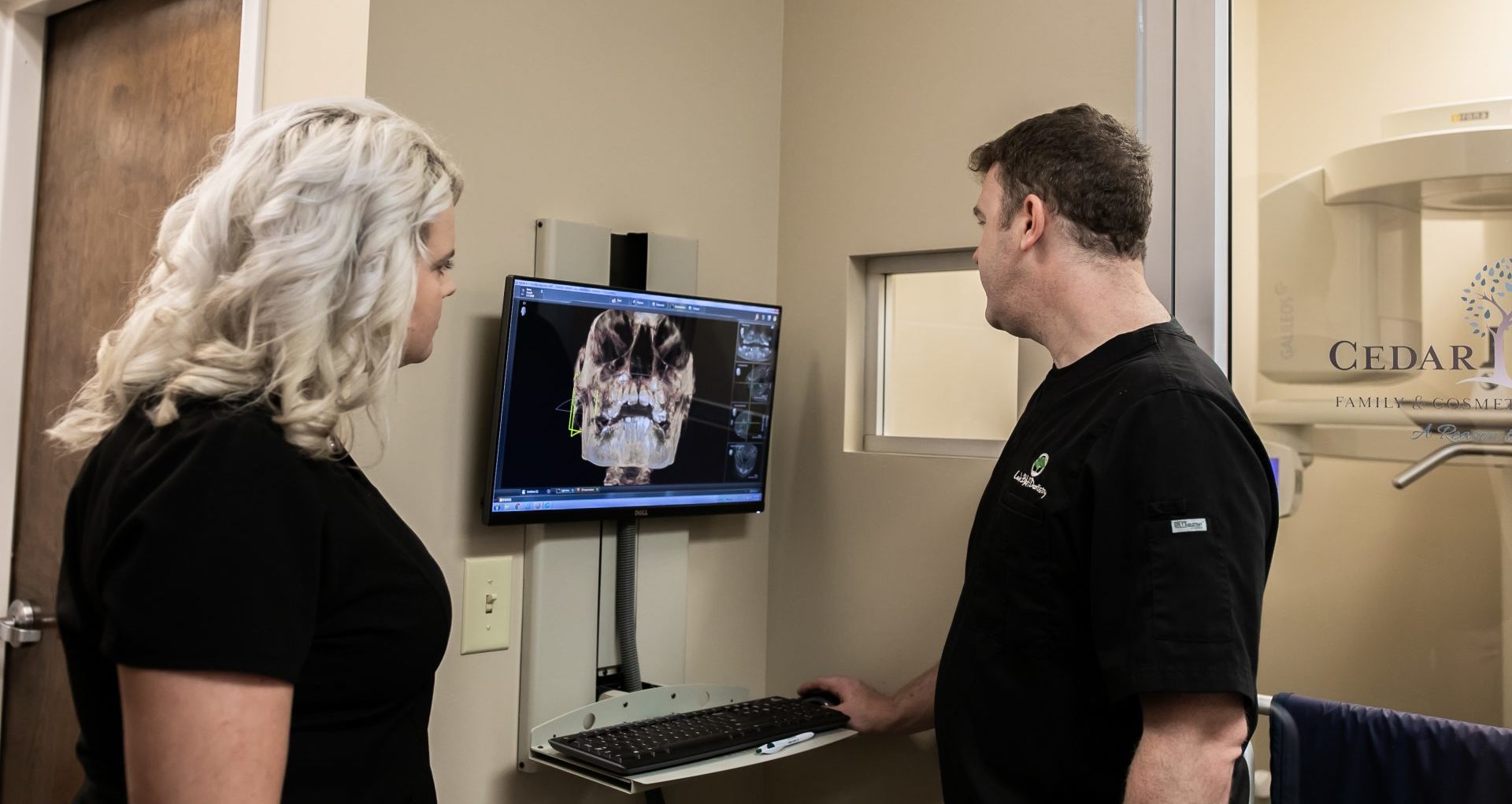


Dental X-rays play a crucial role in modern dentistry, particularly in general dentistry. They provide essential insights that allow dentists to diagnose issues that may not be visible during a routine examination. Understanding the purpose, process, and safety of dental X-rays can help patients feel more comfortable and informed about their dental care.
Dental X-rays, or radiographs, are images of the teeth, bones, and surrounding soft tissues. They help dentists identify cavities, bone loss, and other dental issues. Typical types of X-rays include:
- Bitewing X-rays: These X-rays show the upper and lower teeth in a specific area and are helpful for detecting cavities between teeth.
- Periapical X-rays: These focus on a single tooth and the surrounding bone.
- Panoramic X-rays: These provide a broad view of the entire mouth, including the jaws and supporting structures.
By utilizing these X-rays, dentists can form a comprehensive understanding of a patient’s oral health, enabling precise treatment planning.
At Cedar Bluff Family & Cosmetic Dentistry, state-of-the-art digital X-ray technology enhances the patient experience. Unlike traditional film, digital X-rays provide immediate images, allowing for real-time diagnostics. This leads to quicker treatment decisions. Digital X-rays also require less radiation exposure than conventional X-rays, ensuring a safer option for patients.
The high-resolution images produced by this technology facilitate better detection of dental problems. This not only aids in spotting issues early but can also minimize the need for invasive procedures later on.
Patients often express concerns regarding radiation exposure during dental X-rays. It is important to understand that modern practices prioritize safety and follow strict guidelines. Dental X-rays currently employ very low radiation levels, making them safe for most patients, including children and pregnant individuals in consultation with their healthcare provider.
Before taking X-rays, the dental team will ensure that adequate shields, such as lead aprons, are used to protect other areas of the body. The team’s objective is to maximize efficacy while minimizing any risks associated with the procedure.
Dental X-rays are indispensable in revealing problems well ahead of time, often before symptoms even appear. They allow the dentist to help prevent further dental complications, leading to fewer emergencies and better overall health outcomes. Regular X-ray imaging can contribute to maintaining optimal oral health throughout a patient’s life.
Moreover, many insurance plans cover routine dental X-rays, making these essential evaluations both accessible and cost-effective for patients. For specific recommendations and frequency, discussing personal oral health history during consultations is advisable.
For more information about dental X-rays or to learn how Cedar Bluff Family & Cosmetic Dentistry can assist you in your dental health journey, visit our website at Cedar Bluff Family & Cosmetic Dentistry.
Dental X-rays are a vital tool in general dentistry, providing insights that ensure effective and proactive patient care. With advancements in technology, safety measures, and a focus on patient comfort, the experience around dental X-rays is easier than ever.
If you have further questions about dental X-rays or wish to schedule an appointment for a check-up, please reach out to us. We are here to support your dental needs and help maintain a healthy smile. Schedule your appointment today by visiting Cedar Bluff Family & Cosmetic Dentistry.
What are dental X-rays and why are they important?
Dental X-rays, or radiographs, are images used to diagnose dental issues that may not be visible during a routine examination. They help identify problems like cavities and bone loss, making them essential for comprehensive oral health evaluation.
How does digital X-ray technology improve the dental X-ray process?
Digital X-ray technology provides immediate images, allowing for real-time diagnostics, and utilizes less radiation exposure than traditional methods, enhancing safety for patients. This technology also offers high-resolution images for better detection of dental problems.
What safety measures are in place during dental X-rays?
Modern practices ensure safety by employing very low radiation levels and using protective measures like lead aprons to shield other areas of the body during X-rays. This approach aims to maximize diagnostic efficacy while minimizing risks.
How often should a patient get dental X-rays?
The frequency of dental X-rays can vary based on personal oral health history and should be discussed during consultations with a dentist to ensure optimal monitoring of dental health over time.
Are dental X-rays covered by insurance?
Many insurance plans cover routine dental X-rays, making these important evaluations more accessible and cost-effective for patients, thereby contributing to overall dental health management.